
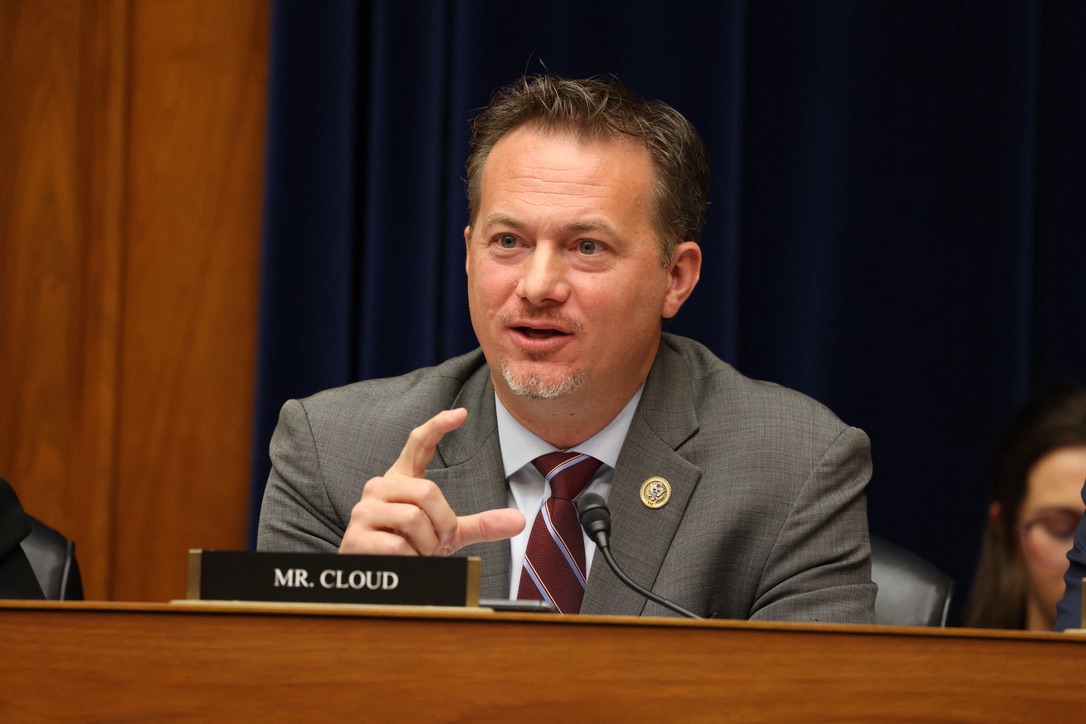
WASHINGTON — U.S. Rep. Michael Cloud is backing bipartisan legislation that would restrict how law enforcement agencies use Flock cameras and other automated license plate readers, potentially affecting police departments in Wharton County.
Cloud, a Texas Republican, joined Democratic Rep. Raja Krishnamoorthi of Illinois in introducing the No FLOCK Act on September 14. The proposal follows reports of officers misusing license plate reader systems to track individuals for personal reasons.
Under Texas’ new congressional map , Wharton County will become part of Cloud’s 27th Congressional District when the next congressional term begins in January 2027. Republican Rep. Troy Nehls continues to represent the county during the current term.
What Would the Bill Do?
The legislation would restrict automated license plate readers to five purposes: toll enforcement, identifying stolen vehicles, locating missing or endangered people, identifying vehicles registered to individuals with felony warrants, and investigating vehicles involved in felony offenses.

States that fail to adopt the restrictions after a two-fiscal-year implementation period would face a 10% reduction in certain federal transportation funding.
The bill would not completely ban Flock cameras.
What It Means for Wharton County
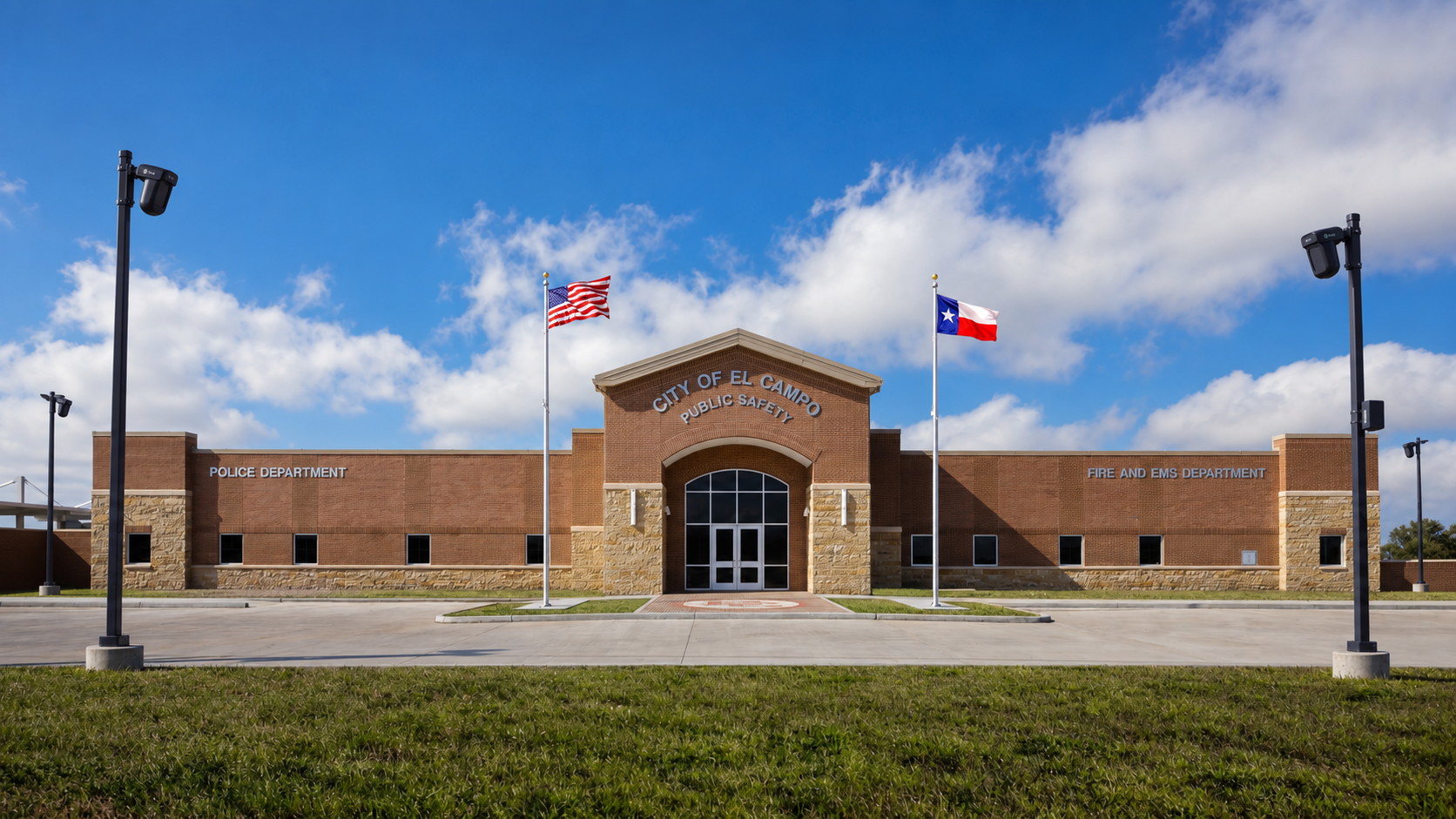
Wharton currently operates 14 Flock cameras, while El Campo has eight. Both systems were initially funded through Operation Lone Star grants.
Public records previously obtained by Wharton Post documented cases in which Wharton’s cameras helped officers recover stolen vehicles and make arrests. The records also revealed incorrect license plate readings and raised questions about data retention.
The federal proposal follows a separate decision by Gov. Greg Abbott, who ordered state agencies to pause funding for Flock cameras in August amid scrutiny of the technology.
The No FLOCK Act would not automatically require Wharton or El Campo to remove their cameras. However, it could change how police are permitted to use them if Congress passes the legislation and Texas adopts the proposed restrictions.
The bill remains in the House Transportation and Infrastructure Committee and has not become law.

Leave a Reply